Monday, September 28, 2015

ACTHA Arena Obstacle Challenge Results 26 Sept 2015


This past weekend saw us hosting an Arena Obstacle Challenge (AOC) under the sponsorship and guidelines of the American Competitive Trail Horse Association (ACTHA). We had 14 riders sign up to compete, relatively small by national ACTHA standards, but par for ACTHA participation in the West Texas/Southern New Mexico area.  This event was a benefit for the Perfect Harmony Horse Rescue and Sanctuary.

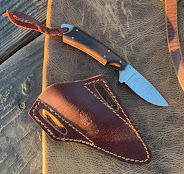
Division Winners (see photo below).  Open Division: Luanne Santiago, Competitive Pleasure Division: Marianne Bailey tied with her daughter Jessica Bailey, but had more pluses, so Marianne took home the Blue Ribbon and the first place Plaque.  Competitive Novice Division: Terri Rutter. Scout Division: Angela Beltran-Flores.   Additionally, each of my judges, Vicki Maly and Arden Evans each gave out a custom hoof pick to the rider who made the biggest positive impression on them.  Luanne Santiago and Dan Bailey, riding a huge Percheron, won the hoof picks.


We obtained great national and local level prize support from sponsors including Smart Pak, Hoof Wraps, Camel Bak, Noble Outfitters, Eclectic Horseman magazine, and Sanctuary Leather, while we had great local sponsorship including Alamo Automotive, Riders Tack and Feed, Diamond Bar V Horseshoeing, Leonard Benally and Chaff Haye. The donated prizes allowed us to put $1,300 worth of prizes back into the hands of competitors.   

The obstacle course consisted of the following obstacles:

Trot Weave - weave between six cones placed 7.5 feet apart, turn and repeat.

Stop and Back - stop your horse on a spot and back in a straight line for a distance determine by your competitive division.

Drag - retrieve a rope off the fence and drag an orange bag of cans about 25 fee.  Open Division had to also back their horse while dragging the bag.

360 Degree Turn - riders entered a 6' x 6' square box and executed a 360 degree turn; Open had to also turn 360 in the opposite direction as well.

Slicker - riders had to retrieve a slicker from the fence and run their horses necks and hips with the slicker.

Gate - open, go through and re-latch a 10' gate.

Cowboy Curtain - or what ACTHA calls the Vine Simulator. Riders rode through the rope curtain and Open Division had to back their horses through it.

Circle Trot - riders trotted around a 35 foot circle, enter the circle and exit at the trot going the opposite direction.

ACTHA competitors and their horses are judged per obstacle on a 10 point per rider and 10 point per horse system.  The bottom line on ACTHA competitions, be they Competitive Trail Challenges or AOC's is that you expose your horse to more training opportunities, some of which you may not think of, continuing to build that brave, safe trail horse.  And as it is with horses, some were great at dragging a loud, clanking bag but fearful of a yellow slicker handing on the fence, and vice versa. 

My objective for the chosen obstacles was to balance the pure horsemanship tasks with prop related obstacles. In the video below, I am doing the Rider's Brief explaining the negotiation of each obstacle.

Prior to the AOC, I held a short clinic on backing your horse in an arc and extending that to a circle and figure 8. As well as a competitive strategy on jogging into the obstacle, stopping and immediatley backing to get momentum for the backing in an arc as most ACTHA obstacles give you 60 seconds to complete an obstacle and time can be ate up pretty quick on the Figure 8 Backing when you are in deep sand or with traffic cones placed far apart.

The competitors and their horses also had 30 minutes or so to warmup on my fixed obstacle course which included single and two level Bridges, Cones for backing in arcs, Two Step platform, Narrow Figure Z path, Nerf Bar obstacles and a heavy Rope Curtain.


Thursday, September 17, 2015

The Polite Horse


Everybody likes a polite horse. Nobody likes to feed a pushy or aggressive horse. When someone writes me on what to do when their horses are aggressive or crowding at feeding time, I just say "don't feed them when they are pushy or impolite, you are just teaching them that this behavior is okay.  You need to back them off."    I will eventually find, in the local area, a feed aggressive horse that someone wants helps with and do a better article on how to correct, but until then this article will have to do to address the requests I get on horses that are pushy during feedings.

We've all likely seen horses try to herd people with an arm full of hay or try to take hay out of the person's hands when they are heading to a feed bin. There is nothing cute about that, it is potentially dangerous behavior. Excuses like "well, he's very hungry", or "he feels comfortable enough to eat out of my arms", are just that excuses.  You are doing a disservice to your horses when you allow this.   

I know several people who no longer allow horses to be boarded at their places, sometimes because the part time owners would often unwittingly teach their horses bad behaviors which manifested especially at feeding times.

I used to have a boarder, even though we fed that horse twice a day, would often give the horse treats by hand and allowed their horse to push on them looking for treats. Well, to make a long story shorter, one day that horse about ran me over when I was feeding one morning, so from then on I made that horse go to the other end of the pen before I dropped the feed into the feeder. In the beginning when I sent her to the other end of the pen, she would try to inch closer to me (and the feed) so I would have to drive her back to the far end.

Also in the beginning once I dropped the feed into the feeder, this horse would try to come in before I allowed her to, so I would have to drive her away.  I did this with just my body language and voice, but sometimes a flag works well. Horses are used to be driven away by other horses with subtle body languages, sometimes just a look, and other times something more pronounced like another horse pointing his head and pinning his ears. I found that horses learn very fast that polite behavior at feedings is expected, after all they want to eat.

Another example is the horse in the video below. The very same day I brought him home I went into his pen to feed him. He was in the end of the pen and I thought someone did a good job at teaching him some feeding manners, so I turned my back on him to place the feed and that son of a gun came up behind me and pushed him away with his head. I turned quick to address this and the horse spun and tried to jump out of the pen getting his front legs momentarily caught over the corner before he fell back. He stayed in the corner, so I dropped the feed, but he still wary of me he would not approach the feed until I walked away.

For the next week or so he would stay away until I dropped the feed and walked away. Then one day I had my back to him when pouring grain into a bucket on the ground and that horse put his head between my legs trying to eat. We were underneath an overhead cover too, so all I could do was quietly step away to keep him from spooking and raising his head therefore driving me into the roof.

From then on out, I always make my horses back a couple steps up before I drop feed and not let me come in until I allow them.

There are several horse people out there that advocate just setting things up so you can throw feed without any, what they sometimes call, dramatics. These people advocate minimal handling or bothering of the horses during feedings. I think just a little opposite. I think you should be able to control your horse during feedings, including brushing him or rubbing on him when he is eating. If the horse pins his ears, I'll just move him off, wait on him to show some understanding, then let him back in. I don't think my horses are worse off for this. To the contrary, I think it makes a more gentled horse.

The horse in the video below is pretty much good at backing off, usually without my asking him to, and not coming to the feed bin until I ask him to or walk away. This also translates well to a horse in hand (on a lead rope).   Maybe your hands are busy at the moment and you can't give a signal on the lead rope or mecate lead for the horse to back, so getting them good at backing under voice is a good tool to have.


Friday, September 11, 2015

Horse Abuse


I would reckon that 100% of the people reading this site get as sad and angry as I do when we hear about horse abuse. I did not put up with boarders using abusive training methods or otherwise neglecting basic care for their horses when I ran a large horse barn years ago. Nor today when I am out of the public stables business, do I sit still when notified of horse abuse cases, which most commonly are not providing adequate feed, water or hoof care.

I am angry not only at horse owners who insist of owning horses but do not provide adequate care, but get angry as well as county officials who fail to correct the situation. My wife is even worse. She gets so livid at abusive owners and 'do nothing' county officials, that I worry about her getting arrested when confronting either. I think it makes her perpetually sad as it does me. I have known a couple ladies in the animal rescue business, who eventually moved out of the area as they just could no longer reconcile the daily disappointments in what mankind does to animals. ......I think we'll all be judged some day, by our Maker, who will hold us to account for how we treated his creatures.  I figure they are just on loan to us.

There are many layers to the problem and potential solutions. From the Law Enforcement side, lack of resources is often the biggest restriction to having a robust animal abuse investigative arm. Everything from irate parents complaining about speeders, to DUI checkpoints, to anti-gang task forces all eat up LE resources, often leaving only a animal abuse investigator who often does not have citation, emergency confiscation or arrest authority. Then adding a lack of knowledge with the abuse investigators pertaining to horses and other livestock, and lack of stiff enough penalties to serve as a deterrent, all conspire to be obstacles to safeguard animals at risk.

Almost 2 years ago the property abutting part of my North property line began development of a horse facility. Two rail pipe fencing, a metal barn capable of holding large quantities of hay and equipment, and the beginning construction of a row of thirteen 10' x 10' cinder block stalls (which remain to this day half finished). Soon after, four horses in good body score condition were turned loose onto that property - a sorrel brood mare and her yearling colt, a bay mare, and a black and white paint gelding. Within a week we had a good idea on what type of horse owner this was, who was actually just allowed to use the property and did not have any ownership part of the property.

For the first several weeks, these horses were not fed.  Instead just eating the weeds on the property. Two 30 gallon barrels were on site for water, but the owner had to bring water in by tanker truck as he apparently could not pay the $75 quarterly water bill for county water. When the weeds ran out, they had to bring hay in. And a nice old man, who did not speak any English, was hired to care for the horses. He would routinely ask us for water as the absent owner failed to contract for it to be brought in. And we would often tell the old man that the horses were getting skinny and lack of feed would impact bad on the growing colt. Then we learned that the absent owner would often fail to send money or arrange delivery of feed as well. Eventually the old man quit as he was not getting paid nor could he stand to see the animals in such condition.

The property accumulated junk - rebar, broken cinder blocks, steel pipe, angle irons pieces, etc. We advised the owner about the threat to the horses and ended up treating one of the horse who sustained a bad cut on her hocks because the owner refused to call a Vet. My wife ended up dressing and cleaning that wound daily until it healed. We also worked one of their horses through a case of colic.

Aside from that, my wife and I ensured that these horses did not go for very long with water and some grass hay. We also called the County Animal Control several times to respond when the owner would be absent for several days at a time. The Animal Control Officer, despite our pointing out how low those horses scored on the Body Condition Scale, using the Henneke System Equine Body Condition Scoring System, developed by Don R. Henneke, PhD of Tarleton State, University of Texas, 1983. The Animal Control Officer would just tell us, "they look good to me. Call me when they get worse."

We had no problem making repeat calls to Animal Control which eventually led to the owner moving his horses to an open field, where he built a temporary fence around more cinder block stalls. A few people would call us about those horses, we would go down and check them out, and call animal control to investigate. Many times there was no water on the property in stock tanks or otherwise, and horses continue to lose weight.

The last time was a few days ago. There were only two horses on that property now. We think at least one of the died and the gelding was likely sold.  My wife was crying as she called me to described the condition of these horses. The Bay More, a really nice horse and the one who had the hock injury, is in the picture at right. This picture was taken after the horse drank two 17 quart buckets of water helping to expand her barrel and make her appear just a little better.  The sorrel colt is actually now a two year old, coming three this spring - and still looks like a yearling to me. He is the horse in the photo at the top of this article - what do you think? Anyway, my wife filled up two 17 quart buckets with water for the horses which they promptly drank dry, then she filled them up again and they drank them dry one more time. I called Animal Control and the Sheriffs Office at 10.00 am in the morning and they finally responded at 5.00 pm.

We spent an hour explaining to the deputies about our history of reporting on these animals, lack of a county solution, how to body score a horse, what would constitute fair care, necessary hoof care, the lack of water, lack of feed, and tell tale lack of manure which indicated the horses were eating their own manure - little of that they were producing.

We coordinated for a local rescue to take the horses, providing a confiscation order could be obtained that the deputies assured me was being worked. But we learned the next day that the owner, after being contacted by Law Enforcement, brought in hay and water and assured the deputies that the horses would be taken care of. We were informed that the abuse case was dropped.

Law Enforcement may have dropped it, but we aren't letting it go. We'll be checking on these horses weekly and calling Animal Control and the Sheriffs Office as needed. I think what efforts that man and society makes to correct animal abuse is a snapshot into our collective morale health as a people. Again, well be held accountable.

Safe Journey. 


Saturday, September 5, 2015

Lets Talk About West Nile Virus Again


We all should be pretty grateful for all the rain this year, breaking the drought in much of the affected areas, however with all the rain Texas and other western states have had this year so far, Mosquitos are a larger potential problem than in the recent past. And with Mosquitos come the threat of West Nile Virus, a viral disease transmitted from mosquitos to horses, and from mosquitos to people as well. Horses are pretty susceptible to West Nile, more so than people. Humans who are at risk are usually those who are already immunological weakened. There are still some misperceptions on West Nile such as "an infected horse can infect another horse", and no this is not the case. Only infected mosquitos can infect a horse.

West Nile attacks the nervous system and can cause brain and spinal infection or inflammation. A horse will appear to be drunk - lack of coordination in movement and loss of balance. Other symptoms can be: extreme lethargy; lack of appetite; and, dullness in the eye and other signs of depression such as head pressing on a stall wall or post.

There are other diseases, such as Encephalitis (Venezuelan, Eastern or Western) whose symptoms can mimic West Nile. Only with a blood test can you be sure, and then only supportive care for the symptoms can be done.

A few years ago, when I was running a large horse stables, a boarder brought in a horse and while in quarantine the horse started showing signs of lethargy, dullness, loss of appetite and severe loss of coordination and balance in movement - staggering when trying to turn around. A blood test confirmed West Nile. A week later the horse was pretty sound and was absent all symptoms, although the owner decided to sell the horse anyway. I found a buyer for him and transported the horse to a good home with several young boys who were even able to rope off of this horse.

There are several things a horse owner in a mosquito area can do to minimize risk to his horses. Even though I live in an area without mosquitos, I often trailer 15 miles away, close to the Rio Grande, where mosquitos are present, so the West Nile vaccination is part of my routine April or spring series of immunizations for my horses. In the first few years of the West Nile outbreak it was common for horses to receive an initial shot with a booster a few weeks later.

Taking care to drain or remove sources of stagnant water will help reduce breeding grounds for mosquitos. On most properties you would be amazed at the number of items capable of holding water that would attract mosquitos. Store empty buckets upside down. Open trash cans or dumpsters (without lids) could use a couple drain holes at the bottom to reduce collecting water. At the stables I managed years ago, I would spray insect killer on the manure pit, in-between dumpings, to help reduce chances of mosquitos. Fly spray, not insect killer, can help keep a horse protected as well, although I try to limit my use of fly spray on horses to a minimum. It seems that whenever I use fly spray I can't help but spray myself and go on about the day with the taste in my mouth. I guess that just goes along with me never being accused of having acute coordination.

Anyway, If you have any questions on whether you should vaccinate your horses against West Nile, talk to your Vet. Most Vet's would approach it from the side of caution and urge a West Nile vaccination, but it gives you peace of mind to inoculate your horses, even though the immunization won't keep your horse from getting West Nile, it just give him a better chance of making through the disease if he becomes symptomatic.

The Texas Animal Health Commission (TAHC) has reported West Nile present in Harris County (Houston) and Tarrant County (Dallas) and even El Paso County (El Paso) had a human death from West Nile, so it is not necessarily only the really humid areas, or areas close to water sources that are primarily the WNV threat areas.

The United States Department of Agriculture, Animal and Plant Health Inspection Service (USDA- APHIS) keeps track of animal diseases. The map below is the nationwide cases of West Nile Virus from last year. A complete list of counties in the U.S. where West Nile has been confirmed can be accessed here:


Friday, August 28, 2015

Fixing a Bad Side Pass - By Slowing Down


Jerry wrote to me asking a question on how to fix a bad side pass, and it could have been me writing the same question to someone else. Jerry said his horse used to side pass well, but now is getting worse on side passing. I've found myself in several situations getting worse on things that my horse and I normally did okay. That is a deliberate use of the word 'okay' as opposed to say 'did well'. What I first try when things are getting sloppy, is to slow down and try to execute step by step, ensuring that I'm particular with my cues, and it helps to give the horse time to think between applyingthose cues as well.

Understanding the "why" anything is getting sloppy or getting worse is important. Horses will often begin to anticipate the rider. Sometimes it's because they are getting dull or the work we're asking them to do it repetitive,.....sometimes we as riders are not keeping the horse with us, ....and it's possible that our cues are what's becoming sloppy or in other words, we are not being particular enough in how we ask the horse to move his feet.

And I don't discount the power of the horse wanting to go back to his pen or to his buddies, either. This is actually pretty common, especially at the gate, to have an horse anticipate and to demonstrate a barn sour attitude. You may have to correct this first, or find a place to practice side passes that minimizes this.

Sometimes it's because we have conditioned the horse to do something quickly ,...like side pass quickly to a gate. And it's easy to tell as you end up having to ask for horse to step backward (or forwards) because you ended up side passing at an angle - or looking like a leg yield. Like I said, I started getting lax on side passing to open gates as well, so I just slowed my horse down. Asking for one step at a time. If he got in a hurry and took two or more steps when I asked for one, I would just ride him forward in a circle, position him up and begin again.

When I'm asking a horse for a side pass, say to the left, I'll use my outside or right rein to keep his head pretty straight, use my left rein to open or lift his shoulder without turning his nose, and use my outside leg (right leg) to contact his barrel to cue him to move to the left. My left leg is totally off the horse. When asking the horse to just give me one step, I try to be really particular about taking all life out of the reins and take my outside leg off of the horse as the horse is completing that step or just before he plants the lagging (the second) crossing foot.

In any event, slowing down, be precise with your cues is going to make it clearer to the horse what you are asking him to do. 


Tuesday, August 25, 2015

Wildlands Fires Devastate the West


Nothing puts fear into ranchers more so than the thought an out of control fire racing across the grasslands towards their cattle, horses and homes. But this is what is going on in Washington, Oregon, Idaho, Montana and Northern California. Map of current fires from the U.S. Department of Agriculture Forest Service at left.

I received this from a friend: "The fires are so bad half of Idaho is on fire half of Washington is on fire and I don't even know about Montana. Everybody's eyes are burning, throats are raspy and even the animals are suffering. I pray for all those that have lost so much, and for all the fire fighters that are fighting the fires. I hope this all ends soon."

Tom Moates, wrote a piece titled "Wildfire at Martin Black's Place" posted on Eclectic Horseman on-line, about the Soda Fire which was located Southwest of Boise, Idaho. At 285,361 acres burned, it was the largest wildfire in the country. Now thanskfully it isreported to be 95% contained.  Click on the link above which will take you to Tom's article on Eclectic Horseman.  Martin Black, a well known clinician, should be familiar to you. The Soda fire went across his property as well.   The good news is that his horse's survived - barely. Others did not fare so well.  Twenty Seven Wild Horses in the Hardtrigger Herd Management Area reportedly perished.  While the extent of the loses will not be known for awhile, ranchers have certainly lost cattle and use of grazing areas as it will take time for the grass to come back. See map, below right, from the Idaho Statesman showing the extent of the Soda fire.

The Idaho Statesman reports that many of the ranchers believe that the Soda Fire would not have grown to the size it did, nor would have done the damage it did if the BLM's range management practices would not have cut back on grazing. The lack of allowed grazing created the available fuel for the fire to grow.

There are a lot of misperceptions about ranchers grazing their herds of public land, but the facts are:

~ Ranchers pay the government to lease grazing units.  In Southern New Mexico I've seen the BLM lease a Grazing Unit for $18 an Animal Unit Month and that makes it hard for a cow operation to even sustain itself let alone make a profit;
~ Ranchers are much better stewards of the land than bureaucrats will ever be as they live on it or next to it and they need it. 
~ And, under grazing creates conditions for devastating fires.

In any event there are ranchers and families that have lost their livelihood. If you would like to help out with goods, services or a monetary donation, you can go to the Owyhee Cattlemen’s Association website or you can write a check and mail it to Owyhee Cattleman’s Heritage Foundation, P.O. Box 400, Marsing, ID 83639.

Monday, August 17, 2015

Army Horse Hurt in Caisson Accident


This article will be felt by most people, especially by those who have had the opportunity to see a solemn military funeral where a flag draped casket is transported to the grave site on a horse drawn wagon, called a Caisson.  But anyone can appreciated a horse being hurt serving man, especially since no horse, ever, deserved to be hurt. 

These Caisson Platoon soldiers, soldiers who do this final duty for a fallen service member, put an incredibly amount of attention to detail to their assigned duties. It just gives you a sick feeling when you think any part of that team (soldier or horse) would be injured presenting the final honors. 

When a Soldier is seriously injured we typically ask thoughts and prayers. Unfortunately, the "Soldier" badly hurt this week is a horse.  Connelly, one of caisson horses at Fort Sam Houston National Cemetery in San Antonio, Texas, received multiple injuries this past Monday. Please keep him in your thoughts and prayers as he recovers.

Here is the release from U.S. Army North - Caisson Horse Battles Injuries After Life Threatening Incident

SAN ANTONIO - A five-year-old caisson horse is battling serious injuries after an incident Monday at Fort Sam Houston National Cemetery.

“We will make sure we do everything we can to give this horse a fighting chance,” said 1LT Jeremy Kuykendall, Military Funeral Honors Platoon Leader. “He’s got big character and big heart and a strong resolve.”

Connelly, alongside three other horses, was pulling a caisson when a horse in the rear of the formation became frightened for unknown reasons. As the startled horses began to run, Connelly reared in a valiant effort to not crush his rider who had fallen off.

The rider, SGT Travis Dubay, suffered a leg injury but is expected to make a full recovery.

Connelly, however, was dragged for more than 200 yards as the other horses continued to sprint.

He sustained deep abrasions to several areas of his body resulting in multiple exposed joints.

Connelly is being treated at Retama Equine Hospital in Selma, Texas, where a number of military and civilian personnel are caring for him.

His treatment includes measures to reduce swelling, lessen the risk of infection, and advanced measures for him to regrow missing tissue.

This article from the US Army North page on Facebook

Tuesday, August 11, 2015

Equi-Sure Supplement for Horses


I have had Equi-Sure on hand after watching a segment on it in the Craig Cameron program on RFD-TV. Craig interviewed the makers of Equi-Sure and they recounted multiple cases where they believed administration of 10cc of Equi-Sure reduced or eliminated colic symptoms in horses. Craig also had a positive experience with Equi-Sure which had convinced him of it's value.

Even though Craig talked about the positive experience he had with Equi-Sure, I did not want to write about it until I also had a personal experience, but I was grateful not to have to use it (who wants a sick horse!), but that changed the other night.

  A few nights ago, I had a reason to use it on one of my horses around 10:00 at night as he was wringing his tail, kicking at his stomach, pawing the ground and laying down. I checked for gut sounds and he had them on all four quadrants, but they were loud and gurgling. He had a normal amount of manure and he passed gas a couple times when I was assessing him. I figured he had a bout of gas colic.

I then gave him 10cc of Equi-Sure. In about 15 minutes he appeared back to normal.

I checked on him about 45 minutes later, and then again another hour later, and he still looked normal, so I went to sleep thankful for not having to call the Vet so late. I can't say for sure if Equi-Sure had anything to do with his shedding his discomfort, and I wonder about the hours the horses are out of our sight and how many times they get distress which resolves itself, but from now on I'll always have a bottle of Equi-Sure on hand.

Equi-Sure advertises that their supplement is all-natural product not only for routine use to increase overall health but also for horses during periods of stress such as gastric stress and colic, and to reduce symptoms of ulcers. They also say that Equi-Sure increases appetite and water consumption.

Equi-Sure also states that the ingredients form an antibacterial cleanse that naturally breaks down bacteria in a horse’s stomach. Go to the website and read more.

A 250ml bottles, which provides twenty five 10ml doses is $70, which I figured was pretty cheap insurance to have on hand. You have to call the toll free line to order - (800) 254-0179 and where you can ask further questions.

Tuesday, August 4, 2015

Eastern Equine Encephalitis Positive in East Texas


My Vet just sent me this Texas Animal Health Commission (TAHC) notice, so I thought I would pass it on. The TAHC recently received confirmation from the Texas A&M Veterinary Medical Diagnostic Laboratory (TVMDL) of Texas horses testing positive for Eastern Equine Encephalitis (EEE). The infected horses are located in: Newton, Orange, Liberty, Jasper and Jefferson counties. To date, there are a total of five positive EEE cases in East Texas.

TAHC officials remind equine owners to consult with their private veterinary practitioner regarding vaccinating their horses against mosquito-borne illnesses such as Eastern Equine Encephalitis (EEE), Western Equine Encephalitis (WEE), Venezuelan Equine Encephalitis (VEE), and West Nile Virus.

Eastern equine encephalomyelitis (EEE) is a mosquito-borne viral disease of all equine species. Infected horses may suddenly die or show progressive central nervous system disorders. Symptoms may include unsteadiness, erratic behavior and a marked loss of coordination. The death rate for animals infected with EEE is 75-100%.

Western equine encephalomyelitis (WEE) is a viral disease that mainly affects horses; mosquitoes primarily transmit this disease. Similar to EEE, WEE is characterized by central nervous system dysfunction. About 20 to 50% of horses infected with WEE die.

Venezuelan equine encephalomyelitis (VEE) is a viral disease that affects horses and causes illness in humans. It has not been seen in the United States for many years (however, a recent outbreak of VEE occurred in Mexico). Mosquitoes most often transmit the disease after the insects have acquired the virus from birds and rodents. Humans also are susceptible when bitten by an infected mosquito, but direct horse-to-horse or horse-to-human transmission is very rare. Symptoms in horses vary widely, but all result from the degeneration of the brain. Early signs include fever, depression and appetite loss. The mortality rate for VEE is 40 to 80%.

"Vaccines are available for neurologic diseases such as EEE and WEE. As part of routine equine health care, we strongly recommend that equine owners consult with their local veterinarian to discuss an appropriate vaccination program to protect their horses against mosquito-borne diseases such as these," said Dr. Andy Schwartz, TAHC Assistant Executive Director.

For more information on mosquito borne diseases visit the American Association of Equine Practitioners.

For information on TVMDL's equine neurologic disease testing, visit the Texas A&M Veterinary Medical Diagnostic Laboratory site, or call 888-646-5623.

Founded in 1893, the Texas Animal Health Commission works to protect the health of all Texas livestock, including: cattle, swine, poultry, sheep, goats, equine animals and exotic livestock.


Thursday, July 30, 2015

Square Pen Work for Horses


I have been keeping my geldings in a 70x130 foot corral with a 12x32 foot pen in case I needed to separate one of the horses to heal an injury or whatever reason. I decided to reconfigure this arrangement so that each horse has it's own pen, so I have been building rectangle pens, 25x45 feet each.

After I had three of these pens configured and waiting on the boys to start the overhead covers, I got it into my head to ride in one of the pens as the square corners offered something different from my round pen or the oval arena.

I was mildly surprised by the amount of things we could work on in a square or rectangle pen. I started on trotting to a corner to work on not allowing the horse to anticipate stopping or slowing down and we practiced backing straight using the rail as a guide.

Then we worked on trotting into a corner then making a turn on the back end (turn on the haunches) pointing the horse to the next corner. At this point we are off the rail by a few feet. Then trotting to the next corner and doing a turn on the fore hand, swinging the back end towards the rail, putting us up against the rail.

We continued this until on one of the turns, either on the fore hand or haunches, you could turn in the opposite direction, then repeat the pattern, albeit in the opposite direction. There are many other things you can do, such as stopping further away from a corner and making an 180 degree turn, again either on the fore hand or haunches, putting you going into the opposite direction. Doubling on the fence is another good drill. Also using the fence as a obstacle to practice side passes. You can do the same exercises in an arena, but in most cases we tend to stay off the arena fence. The diagram below just shows a few things you can do in a square or rectangle pen. The diagram below is just a couple things that you can do.


In the video below, hopefully I can give some of you an better idea, than just a diagram, for working a horse, especially young horses, in a square or rectangle pen. 


Saturday, July 25, 2015

Arena Obstacle Challenge - September 2015


I have received many requests for ideas and videos on arena obstacles for training horses to be better trail horses. Most of the ideas for obstacles I use come from what I have seen Craig Cameron use in his clinics, or from the Extreme Cowboy Association (EXCA) races, or obstacles from American Competitive Trail Horse Association (ACTHA) events, which are Competitive Trail Challenges (CTC's) or Arena Obstacle Challenges (AOC's).

ACTHA provides a governing body for CTC's and AOC's, approved obstacles and evaluation criteria, awards, and a point system for regional and national awards. Competing in ACTHA events is a good way to meet new horse people and get a horse gentled - making a better trail horse - in a pretty informal type of competition. ACTHA has several divisions to cover the skills of the rider and experience of the horse, from novice to advanced riders.  


Competitive Trail Challenges or CTC's are a six mile or longer trail course where riders encounter an obstacle each mile and negotiate that obstacle for a score. An example of an obstacle is a rope gate - see picture at right - a simple gate is made from rope running through PVC pipe and anchored on one end to a T post and to the other end with a loop or something that allows the rider to open/un-latch it and move the horse through, then re-latching the gate.  You can imagine the coordination and support needed to mark trails, build obstacles and provide transportation for judges to and from.

Arena Obstacle Challenges (AOC's) are conducted in an arena where a horse and rider enter and complete 6 to 10 obstacles. If you have seen an EXCA event, then you can imagine an ACTHA AOC as a much slower race where while there are time limits to complete an obstacle, time in not factored into the score.

You can go to the ACTHA obstacle page to see the list of approved obstacles.   

Because of the lack of local ACTHA or other obstacle type events in my area, I am hosting an Arena Obstacle Challenge on Saturday 26 September - I'll be posting an article and video in early October on this event. We going to try a slightly different format with a obstacles clinic on one ACTHA approved obstacle in the morning prior to the the AOC competition. This will be an obstacle that the rider's will not encounter during the subsequent AOC. After the last rider competes, the arena and obstacles will be open for riders to work on any obstacles they and their horses need to work on. I'm doing it this way so competitors can get more of a training value out of the AOC.

All ACTHA events give back to a charity. ACTHA give 20% of their proceeds to the designated charity picked by the ride host and the ride host (that would be me) gives a percentage of the entry fees to the charity. Our designated charity for the September AOC is Perfect Harmony Horse Rescue and Sanctuary, a 501 (c)(3) non-profit organization based out of Chaparral, New Mexico.

There is also an ACTHA blog with articles on ACTHA competitors and ideas for obstacles and training.


You have to be a ACTHA member to sign up for and ride in an AOC or CTC, ACTHA has a 30 day trial membership for basically $10 per person.  Otherwise annual membership is $35 per year for an individual, $50 for a family of two, or $85 for a family of four.  ACTHA membership information can be found here.


Sunday, July 19, 2015

Mecate Safety - Being Safe Using Mecate Reins


I see more and more riders using Mecates in both competitive and pleasure trail rides as well as ranch sorting. That means they are using a bosal or a snaffle bit which I think is more benign on the horse, especially for fast paced competition.  Sure you can cut a tongue on a snaffle, but you can't get the leverage that you can on a bit with shanks.

For the most part, you can get away with tying the lead rope end of the mecate around your saddle horn or coil up the lead rope and tie it to the saddle using the saddle strings, however when you are in the sorting pen and using roping cattle like Corriente cattle with horns, I think there are some prudent safety considerations to what you do with the lead rope end of the mecate.

The traditional method for carrying the lead rope of the mecate is to make a bite in the rope and tuck it underneath your pants belt or the belt on your chinks or chaps. So if you get thrown from your horse, you have a chance to grab the lead and retain control of your horse, or if you can't grab that end of the mecate, it will pull out from the belt and keep you from being drug as the horse runs away.


The end of the mecate, making a lead rope, is real handy when you dismount as you have a lead to control your horse. On competitive trail rides, points are sometimes given to riders who also carry a halter and lead, usually bridling the horse over a halter and carrying the lead. With a mecate you don't need the halter or lead as you already have something you can lead the horse with while on the ground.

During Ranch Sorting and Team Penning events, I have seen riders configure the lead rope end of their mecate so there is no quick release and if a Corriente gets a horn through the lead, it could a wreck. I've been at the gate during sorting and have disrespectful cows push through a small gap between the panel and my horse and it wouldn't take much for a horn, or a head for that matter, to snag the hanging mecate. The only good news is that it would be exciting.

A common ways to make it less than safe when using a mecate, is to dally the lead end of the mecate several times around your saddle horn. Some people may even clove hitch it around the horn. See the photo below:


Another way is to carry the lead end of the mecate is tucked underneath your belt in the traditional manner, however then flip the mecate lead over the saddle horn to keep it out of the way. This appears to be safe as you still have the quick release under your belt, but horn wrap (especially rubber) will put friction on the rope if a cow gets their horn or head underneath the rope and it won't provide slack fast enough not to cause a wreck. If you do ride this way, you need to remember to move the lead end of the mecate off the horn before dismounting.  I often ride with the mecate looped over the saddle horn to keep it out of the way and I'm embarrassed to say I've dismounted more than few times without flipping the mecate off the horn.  But I won't get in a pen with cattle with the mecate lead end running over the horn.  See photo below.


One more way to riders to carry or secure the lead end of the mecate is to coil it and tie it to the saddle using the front saddle strings - see picture at left.  This has the same safety problems as looping it over the saddle horn or tying it to the saddle horn.  When I work a horse from the ground I'll often tie up the lead end of the mecate this way, and sometimes after ground work, I'll leave the lead end tied up if I ride, I but won't enter a pen with cattle or otherwise work cows this way.  

So really the traditional method for carrying the lead rope of the mecate, making a bite in the rope and tuck it underneath your pants belt or the belt on your chinks or chaps, is pretty much the safest method for most riding with a mecate, just be sure the loop or bite in the rope is small enough so the end of the mecate can't accidentally find it's way into the loop and create a knot. Things won't go good if you come off the horse with that lead knotted to your belt to say the least.


Tuesday, July 14, 2015

Trailering Horses Using the Functional Tie Ring


I have had several people purchase my Functional Tie Rings then write me to ask if they can use the Functional Tie Ring to tie horses in a trailer. It dawned on me that I did not do a good enough job in early videos or articles on using the Functional Tie Rings so I made this video on how I use the Functional Tie Ring in a safe manner to trailer my horses.

There are any people who may think tying horses in a trailer in a solution to a non existent problem and there was a time I did not tie horses in a trailer. I'm sure you can certainly be safe not tying horses in a trailer and I have loaded horses side by side in stock trailers without tying, but these days I'm all about reducing potential problems so no longer will I trailer horses who are not tied, and by tied I mean using the Functional Tie Ring.

The problems with hard tying horses in trailers, especially horses that are not good about riding in trailers, is that they can pull back and break snaps or halters then their head flings up into the trailer roof which can prove fatal to the horse. I have had a horse or two do that, but thankfully not hit their head very hard. But I also know people whose horses have died from an accident of this type.

My trailering steps, as shown in the video below are: 1 - load the horse with is lead rope through the Functional Tie Ring as normal and snapping the Functional Tie Ring into an inside trailer D ring. At this time I do not do anything with the excess lead rope except get it out of the way and where I can reach it from outside the trailer. If the horse pulls back before I can shut the slant load partition or can shut the trailer door, he'll get his controlled release from the Functional Tie Ring. 2 - I close the slant load partition (if necessary) and door. 3 - I move around to the side of the trailer then I normally daisy chain the excess portion of the lead rope to keep it out of the way of the horse. 4 - When I get where I'm going, I reverse the steps, first untying the daisy chain, then opening the trailer door, unhooking the horse then backing him out of the trailer.

I hope this helps someone be a little safer about using the Functional Tie Rings and/or trailering horses using any tie ring. Drive safe and give your horses a safe trailer ride.


Friday, July 10, 2015

Purchasing a New Horse


Beth wrote to say a couple weeks ago she was talking to a lady about buying a horse but she felt she was given conflicting information. "Hi, a few weeks ago I as texting back and forth with a woman about her horse she was trying to sell. It was an eight year old mare. She told me that she used the horse for barrels and poles and that her daughter could even ride this horse. In her Facebook ad where I first saw the horses, she listed that the horse 'trailers, stands for a farrier and for washing, and was gentle enough for children to ride'. I was looking for a well broke pleasure horse as I am not a trainer so I thought the horse's description sounded very suitable. The woman said she could bring the horse to me if I bought her. I wanted to look at the horse first so I made an almost two hour trip to see the horse. When I arrived at the farm the mare was standing in her stall and there were about 10 other horses in stalls as well. So the woman led her out. The mare, kind of a spotted white and cream color, had a pretty big scar on one of her back legs although she did not walk in anyway in a odd manner. But the big thing that made me decline to buy the horse, yes a wasted trip, was that while on the lead line that horse would not stand still and did not appear to be broke very well. The woman said I could ride her if I wanted, but I declined and left telling the woman I would have to think about it. I felt almost like I was deceived and am wondering what I can do and what questions I could ask to eliminate more wasted time. Thanks!"

Hey Beth, unfortunately the words "buyer beware" are pertinent to trucks, horses and mail order brides. Buying a horse is no small undertaking as I'm sure you know with the purchase cost often being the small end of the expense train. You have to be good about reading between the lines and seeing what is not being said - and that's only to get through the first gate so to speak. In your case the woman said "(the mare was) a horse that her daughter could ride - not that her daughter did ride the horse.  I reckon there are some people who make the first priority of downsizing their herd and the second priority being completely upfront or matching horses with prospective owners.

When my wife or I go to assess a horse to buy, we talk with the owner, trainer or whoever has been riding that horse. Usually we're asking: what the horse has been used for; how does he lead; how the horse performs; what his idiosyncrasies are such as bucking or being cinchy; does he stand to shoe, wash and clip. And why are you selling this horse?  We do this before we ever make a trip to see the horse.

Like you found out when that mare was on the lead line, the most important thing is to let the horse tell you what she is about. Talking to the owner, trainer or rider doesn't necessarily prepare you for how the horse is, and the owner's opinion is often better served by telling so you can figure out why that horse is the way he is.

It would likely be a good thing if the seller could send you a video on the horse being ridden before you make a trip. The video wouldn't need to be a full length feature movie, but seeing the horse under saddle, stopping, turning, backing and such would help you evaluate if you should go her the horse in person. Even then I have seen many horses being ridden in local Gymkhanas and other events that are simply not well broke to a lead rope.  The good thing is that this can be assessed up front and usually fixed if you take the horse home.  


I'll usually bring a 14 foot lead line and attach that to the owner's halter and ask the horse to lead up. To see if he can follow the feel of a lead rope, stop when I stop and how much attention he is paying to me. On someone's else's horse, I won't try and correct too much, maybe just a short bump on the lead when the horse's attention goes elsewhere.   Why wouldn't you do this before you get into the saddle?

I'll lunge a horse around in a small circle. If the horse takes off immediately at a lope it doesn't mean too much initially to me. He may have been not handled too recently and is full of it. Maybe he has never been lunged. But a saddle horse will figure it out very soon and you'll see a change pretty quick. Asking them to disengage their back end, stop and face up and the horse's body language can tell you some things too - whether he is paying your attention.  Will he follow the lead and walk to you?  Can you back him up on the lead?

If you are riding a horse as a prospective purchase, the owner will usually put a saddle on him and bit the horse up. Notice how he/she does that. It may account for some behaviors of the horse especially if the ears are mangled when bridling, or the bit is seated way too deep where the horses can get any release or carry the bit comfortably, or even if they are using a harsh bit or the bit is pinching the horse's mouth.  All not so uncommon, I think.   

I am not saying that you lost an opportunity to get a good horse because I wasn't there. But when I bring in a new horse, I'm not going to assume he knows anything. I'm going to start the horse all over on the ground. We may progress pretty quickly, but again it'll let me see what the horse tells me about how he has been handled.


Monday, June 29, 2015

Tack Tip - Clean Your Felt Saddle Pad


I have wrote about cleaning felt saddle pads awhile back, but it is a good topic for hot weather riding as the horse's sweat more and those saddle pads, wool felt, sheep skin or even the Neoprene rubber ones accumulate more dried salt from horse sweat and other gunk a lot easier.

While Neoprene is easier to clean, I just don't like Neoprene saddle pads or cinchas for that matter. The exception for me on a synthetic pad is the pad available from SaddleSkin because it removes the main objection on Neoprene pads and that is heat buildup. And while there are pads with holes, intended to release heat or prevent heat build up, I just don't think they work very well.

So if you are one of those Neoprene saddle pad user, you may want to give SaddleSkin a look - I think with it's air channels it allows much more air flow and does reduce heat buildup, as well as absorb or attenuate trauma (impact) to the horse's back, it also keeps the saddle from slipping when the horse is really sweated up.

Having said all that, I pretty much exclusively use felt pads. Previously I used a wide variety of felt pads including the Impact Gel pads, but nowdays I use CSI pads. CSI offers a rubber curry brush to use to brush and clean their pads however it doesn't work very well for me as it's not stiff enough to scrap the dried sweat and hair from the pad.

After a ride, I'll let the felt pad air dry, then usually as I'm saddling up for the next ride, I'll slap the pad across the sides of the trailer or a tie rail to loosen up the dirt and junk, then lay the pad upside down on my horses' backs or a saddle stand and lightly scrub the dried hair and sweat from the pad using a metal curry brush. If you brush too hard you will tear up the felt, so brush lightly using the teeth or flat edge of the curry brush. I'll run my hand over the pad to ensure there aren't any crusty, sharp patches that can make the weight of a saddle and rider bearing on the horse's back uncomfortable, then I'll take a soft brush and brush away any loose dirt, salt or hair.

There are several products that are offered to help clean felt saddle pads. While I'm sure they work to clean and disinfect, I haven't used any soap type product on my felt pads in probably 10 years.


If you haven't cleaned your pad lately, take a look at it and see if you would want a patch of dried sweat (basically salt) being rubbed across your back. You can see the sweat (salt) buildup on the pad in the picture at right. If the salt build up if not cleaned would be running on the horse's back and loins when the weight of the saddle and rider is applied and more so as the saddle normally twists somewhat during riding.

One more point is that if you can afford to do so, have a saddle pad to each horse rather than use the same pad for multiple horses. This pays off not just to reduce any skin contamination from horse to horse, but also allows you to have the best pad for fit on each horse.


Monday, June 22, 2015

More on Horse Dehydration and Water Needs


Mac wrote in regarding dehydration in horses: "Great article on dehydration in Horses and Humans. I know people can go a maximum of three days without water, so my questions are how much water does an average horse need for one day, how long can a horse go without water like in the heat of the summer, how can you get horses to drink more water?"

While it is true that 48 to 72 hours is generally considered to be the maximum time a person can go without water there are several factors that would extend or reduce this timeline such as ambient temperature, exposure to the Sun and the individual's physical condition. But well before that individual would actually die from dehydration, his or her ability to think coherantly and physically function would be greatly reduced. At some point, likely hours, before actual death from dehydration if someone found the individual, he/she would likely be too far gone to save with oral re-hydration.

So I think these questions are the revelant ones: 1 -  How long can a person or horse go without water before their physical ability and mental reasoning is signifcantly degraded; 2 - At what point or time without water does an individual or horse become on a shortr spiral to death without extraordinaty life savings measures; 3 - then the question of how long can an indvidiaul or horse go without water before dying becomes kinda non-relevant.

Someone sent me a chart or meme with a picture of a horse and a quote to the effect that horse's need eight gallons of water a day. I'm sure it was intended to make owners more aware of a horse's water needs, but eight gallons per horse per day is a minimal amount in my opinion, maybe excepting in cooler temperatures.

I know of four horses that have traveled 60 miles in 50 to 70 degree weather with heavy loads - saddle and rider on one horse, and saddles with a hundred and fifty pounds of marijuana on the other three horses - all without access to water, and at the end of the second day, the rider leading the string rode into a ranch and asked the people there to call the Border Patrol. The rancher took care of the horse, giving them water before turning them over to the Tick Rider, and all horses survived. If the temperature would have been twenty degrees hotter, then this story would have likely had a different ending.

Probably the closet I've came to testing one of my horses to his limit was chasing a someone's loose horse for 17 miles in over 100 degree temperature. Once I got my horse back to his pen he was more interested in feed than water, but once I had them cooled off, I'll give him a chance to drink for 30-45 minutes before feeding him. If he still has not drank and water, sometimes I'll soak some alfalfa in water and let him have that.

And you asked about how to get a horse to drink more water? I'd like to know myself. But what I do if one of my horses is finished eating, and I'm waiting on him, I'll lead him over to the stock tank. If I'm patient enough, he'll usually drink a little which makes me feel better about taking him out for some work.  In some cases if I'm needing to get him to work, I'll give him water soaked hay, like I mentioned above.  All horses are going to be a little different, watch them for a few hours and you can see what their tendencies are.

To address your question on how much water a horse needs daily, again you have to consider the horse, the activity, his physical condition and the ambient temperature. To give you an example using one of my horses, who is in very good condition, in temperatures from 76 degrees to 105 degrees this is his water use over two days:

Day One,
Midnight to 0530, my horse drank 2 gallons of water
0530 fed him
0830 saddled up, loaded and on the road
1000 horse unloaded and rode doing ranch sorting until 1300 then loaded back up and on the way home
1430 back home in the pen, offered water, horse drank maybe 1/2 gallon. I did a skin fold test - skin on neck stayed tented for 5-6 seconds indicating pretty well dehyrdated. I hosed him off with cool water then put him back in his pen.  The pictures at right show the skin fold test on the loose skin on his neck.  Sorry about the poor quality picture at bottom, but I think you can see the skin staying "tented" which is a pretty good indication that he is dehydrated to some extent. 
1450 horse fed
By 1800 the horse had finished his feed and drank almost 9 gallons of water
1830 fed again and by midnight he had drank more 4 gallons of water

Day Two,
Midnight to 0530 he drank another 2 gallons
0530 fed
0830 He had drank another gallon. I saddled him and rode about 5 miles in 90 degree heat and direct sunlight.
1100 He was back in his pen and I did another skin fold test with his skin staying tented for less than 2 seconds. So I left him to drink and wait until his mid-day feeding.
1330 Went to feed and noted that he drank 3 gallons
1330 Fed him
By 1800 He drank 5 more gallons of waters.
1800 to midnight, he drank maybe 1 more gallon of water.

So in two days, in day temperatures over 100 degrees with moderate work, this horse drank just a little more than 27 gallons of water.

Providing adequate amounts of clean water for horses is likely the biggest failure of most people I see keeping their horses in pens.  Getting asked to look at suspected horse abuse I most often see horses without adequate water at all.  I advise owners that they should plan on their horses needing 15 gallons of water, per horse, per day at a minimum. This is pretty consistent with my two days of measuring on one of my horses. All my horses have overhead cover to protect them from the direct Sun if they seek it. Many horses are kept in facilities without over head cover so I would think their water needs may be greater.

Saturday, June 13, 2015

Cowboy Humor - Commentary on Sagging Pants


Recently, a video has gone viral of a Cowboy recording his comments about today's youth and the disturbing habit of wearing your pants down around your knees.

This Cowboy was driving his truck when he spotted the "pants on the ground" posse walking down the street, so he pulled over and recorded his comments which are pretty dang funny.

As he starts out: “I was driving down the street the other day when I saw a trio of young men walking along the roadside clad in what has become a sort of uniform: pants hanging below their rear end, strung up loosely by a belt or held in place by their upper appendages,” he claimed. “The only covering for their private parts is whatever pair of underwear they care to rep that day.”

“They are waddling (when they walk up the street)...it looks like they are trying out for the Penguin part in the next Batman movie."........ "It looks like they were asleep when they were putting their pants on and when they woke up, they forgot to finish the process."

You gotta watch this Cowboy - I hope to see more of his videos and commentary,...I think you will too.


Monday, June 8, 2015

Riding the Badlands of New Mexico


When singer/songwriter Marty Robbins sang about getting into a gun fight over a girl then fleeing on horseback from El Paso into the badlands of New Mexico, I know exactly where he is singing about or at least what likely gave him the inspiration for that verse. He reportedly actually wrote this song while traveling from El Paso to Arizona in an automobile - that would
be known to you as a car, Bob.


The verse that I'm referring to verse actually went:

Out through the back door of Rosa's I ran
Out where the horses were tied
I caught a good one, it looked like it could run
Up on its back and away I did ride

Just as fast as I
Could from the West Texas town of El Paso
Out to the badlands of New Mexico

You can listen to Marty Robbins' hit "El Paso", which hit #1 in 1959, in the video at the bottom of this post.


My wife and I trailered a couple horses out to the "badlands" of New Mexico, just West of El Paso the other weekend, meeting with a couple of our friends for a several hours of riding on the big flat mesa, which in other parts of the country may be called "buttes".   Coming off the mesa, required find a cut, like a small canyon and avoiding Prickly Pear cactus, Fish Hook Barrel cactus, Cholla cactus, Mesquite and Creosote bushes and the Ocotillo which is the bush in the picture at right.  

The picture at top is on top is on the Mesa where sometimes you can get miles and miles of nothing but Creosote and you can lope or gallop pretty safely.  

This part of the country is actually owned by the Bureau of Land Management (BLM) and managed out of their Las Cruces office. It's just gorgeous out there, offering miles and miles of great riding and good land to train horses on. I'm glad that most of the other people pursuing recreation out here don't trash it so much like you find in areas closer to, or directly on the border wilderness areas where illegal immigration has taken a severe environmental toll.

Anyway, enjoy the Marty Robbins' "El Paso".


Monday, June 1, 2015

Hot Weather Riding - Dehydration in Humans and Horses


I usually write an article in the beginning of Spring to get readers thinking about the coming hot months and the threat of dehydration, for both you and your horses. I'm late this year as 90 degree plus weather has been in Texas for over a month, but here it is anyway. Dehydration, of course, if when the loss of bodily fluids, think sweat, exceed what we take in through drinking. Not only do people and horses sweat away fluids, we also lose a little through normal breathing. We also lose electrolytes, such as salt, as well.

Some people wake in the mornings after 6 or 8 hours of sleep, throw feed to thir horses, drink a cup of coffee (a dietetic), tack up then ride, and it may have been 12 hours or so since they last drank any water. And make no mistake, coffee, tea, soda pop, etc., are not replacements for water.

And not only that, most people do not take water with them when they are riding, but some people will go to the trouble of taking a energy drink or diet soda with them. Same as coffee and tea, but even worse, energy drinks and diet sodas are not replacements for water - they will dehydrate you quicker.

I rarely ride in the hot weather without a canteen looped around the horn or without a Camel-Bak. Camel-Bak are the makers of the original hydration packs and offer a huge selection from waist band packs to full size back pack with hydration bladders. When I'm working with Search and Rescue Team on a tracking course, I recommend that they carry hydration packs, and to consider Camel-Bak's in the rescue yellow color for visibility on the ground or from the air. Check out the offerings from Camel-Bak here.

Getting a headache, feeling tired or weak, and not having to urinate or having dark colored urine are all signs of the beginnings of dehydration. These symptoms can be reversed with the consumption of water.

When dehydration gets worse, dizziness and even fainting, having a pounding heart beat, and when you stop sweating are all signs that you are approaching a no return point. Medical intervention, usually through intravenous fluids are necessary. This is a medical emergency as severe dehydration will cause death.

Dehydration in our horses is the same excessive loss of water without replacement that we experience. In my mind it is usually caused when we do not provide clean drinking water, or work them too hard in hot weather sometimes after feeding them but not allowing the time if takes for them to get a drink.

Horses may show the same lethargy as humans when dehydrated. They may have a lack of saliva in their mouths and a dullness in their eyes. Other tells on a dehydrated horse can be a slower capillary refill response, higher heart rate, rapid and shallow breathing, and, lack of skin elasticity.


Slower capillary refill response can be determined by pressing on the gums with your thumb. This will push the blood out of the tissue area that you are pressing on, then when you release, the gum should immediately (within a second) go back to it's normal (darker) color as blood refills into that tissue. The longer it takes, the more dehydrated your horse is.  The picture at right shows the area of the gum above the front teeth, a good place to do the capillary refill test.  

Higher heart rate. A horse's normal resting heart rate is around 40 beats a minute, probably less for a well conditioned horse. A resting heart rate significantly above that, say above 50 beats a minute can be a tell for dehydration.

Rapid and shallow breathing. Often a sign of other distress, such as colic or pain, rapid and shallow breathing can indicate dehydration. If your horse is not in distress, a normal breathing rate is around 10-12 breaths a minute.


Lack of skin elasticity. This is the skin fold test. On the horse's chest or neck, pinch some skin between your thumb and forefinger then release. The skins should return to normal immediately. If the skin stays "tented" for any length of time, certainly more than a second or two, then your horse is more than likely dehydrated.  The picture at left shows pinching the skin on the neck to check for skin elasticity. 


I think it helps to know your horses eating and drinking habits. For example how much water they drink during the day during certain temperature conditions. And what their drinking habits are as well. All horses are different. I have three main saddle horses. Each usually takes around 2 hours to finish their morning feed, then they will usually rest for 15-30 minutes before they ever mosey over to the stock tank for a drink. I use stock tanks as opposed to an automatic waterer so I can tell how much they drink or even if they have drank. Sometimes, I can shorten this time frame but leading a horse to the stock tank and after a few minutes they will usually drop their heads to drink.

I think most people know that you don't allow a hot horse to drink or eat, until they have had a chance to cool down. Nor should you wash off a hot horse, although I'll often use a wet sponge on a horse, but only after he has had a chance to stand and get his respirations back to normal.  So keeping them tied to the rail while they cool down and you do your post ride grooming is always a good idea. And while horses also lose electrolytes as they sweat, a free choice salt and/or mineral block in their en is also something to consider. Safe Journey.